How a Multi-Location Studio Scales Personal Connection Without Losing Its Community
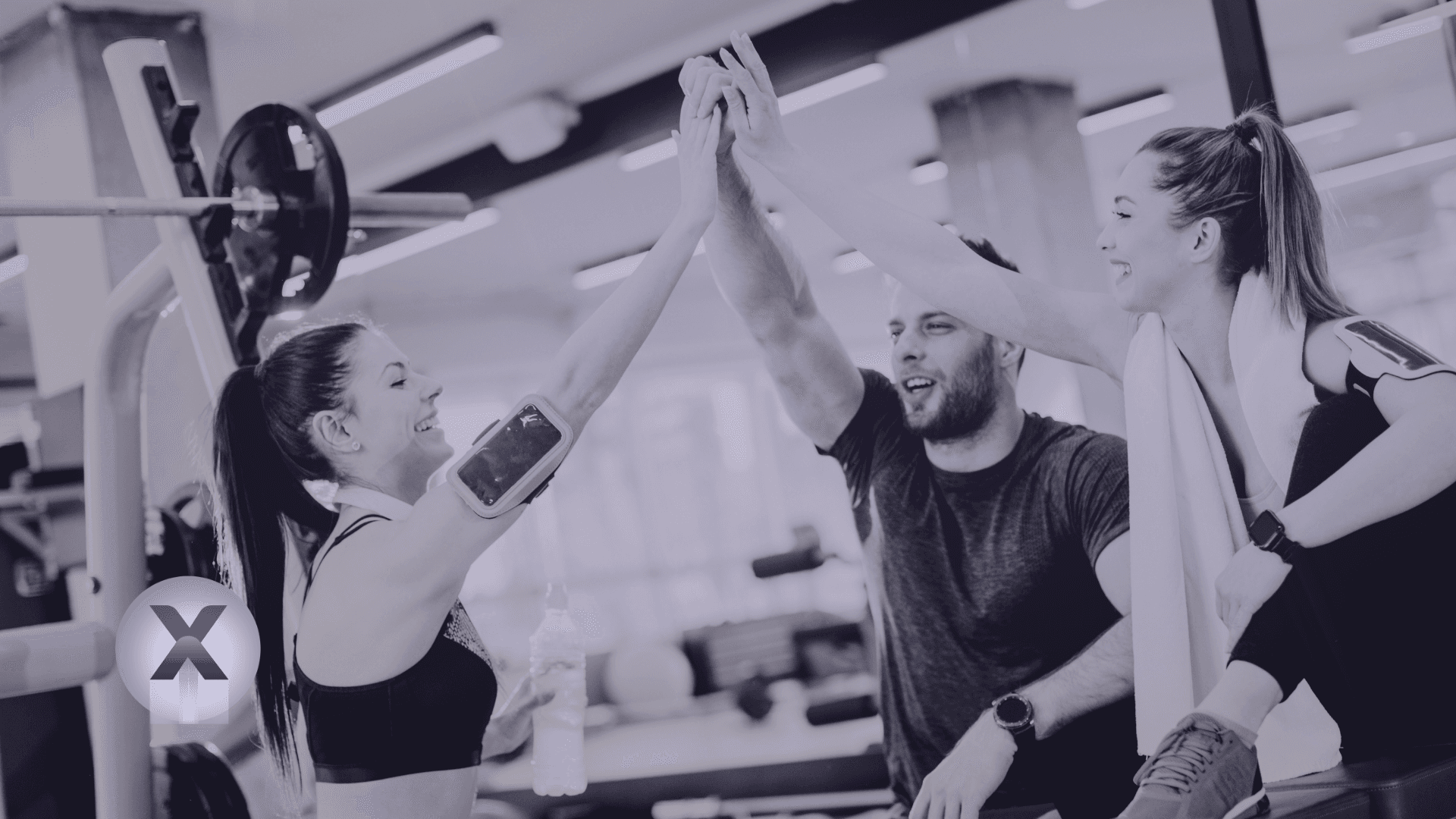
Stay Up Before Chloe
As StayUp expanded across Toronto and New York, growth brought momentum. More members. More classes. More energy in the room.
But it also brought something less visible: Distance.
In the early days, Ben knew everyone. Not just names; but details. Who preferred morning classes. Who was training for HYROX. Who had just come back from an injury and needed a bit more care. That familiarity was part of what made StayUp feel like more than just a studio.
But growth has a cost. There were more people to remember. More interactions in a single day. More context to hold onto. And slowly, it became harder to keep up.
Ben started noticing it in small moments.
A name he should have remembered—but didn’t.
A member he hadn’t seen in a while—but couldn’t recall why.
A milestone that passed without acknowledgment.
It wasn’t a lack of care. It was scale. Some of that information existed inside their CRM, Mariana Tek. Attendance was tracked. History was there. Notes could be added. But only with manual effort. And in reality, it wasn’t consistent.
The front desk team was busy managing the day-to-day; checking members in, answering questions, keeping classes running. Going back into the system to document context simply didn’t happen reliably. So even when the information existed, it wasn’t accessible in the moment.
To use it, someone had to stop, open the system, search for the member, read notes, and piece everything together. And in a busy studio, that rarely happened. So conversations became simpler. More transactional.
“Hey, good to see you.” Instead of something more personal. More intentional.
That shift is subtle. But for members, it matters.
It’s the difference between feeling like part of a community; feeling a true sense of belonging, a place that becomes their third space after home and work—and feeling like they’re simply booking another class to attend.
Stay Up After Chloe
These aren’t things you can scale manually. But they’re exactly what make a studio feel human.
One day, before class, Kate noticed a task recommended by Chloe. A member had quietly become more consistent over the past few weeks. There was no milestone, no announcement—just steady effort that could have easily gone unnoticed.
Chloe suggested something simple: acknowledge it.
So Kate did. Just a quick comment before class. A small moment of recognition.
The response wasn’t dramatic, but it was immediate. A smile. A short conversation. And most importantly, the member kept showing up.
That’s where the difference began to show. It wasn’t about increasing communication. It was about making each interaction more meaningful.
At the same time, while Kate focused on a few of these moments, Chloe was working quietly in the background for everyone else. It was identifying patterns across members, recognizing who might need encouragement, who deserved acknowledgment, and who hadn’t been seen in a while.
Some members received a simple check-in at the right time. Others were recognized for their consistency without needing to reach a milestone. Small, thoughtful messages were sent automatically—always grounded in each member’s behavior and journey.
Over time, those small touchpoints started to shift behavior.
Members who might have drifted away re-engaged. Conversations reopened. Attendance patterns stabilized. What used to be silent disengagement began turning into active participation again.
Across both locations, the experience began to feel different.
Not because the team was doing more, but because every interaction, whether human or automated, was informed and intentional.
For the first time, personalization didn’t rely on memory or extra effort from the front desk. It became part of how the studio naturally operated.
Members weren’t just attending classes anymore.
They were being seen.
The Results
Over time, the change at StayUp didn’t come from one big shift. It came from small, consistent moments adding up. Ben and Kate started to notice something important.
Members who would have quietly drifted away were now being reached at the right time. A simple, timely message often brought them back before they ever considered cancelling.
At the same time, they realized retention wasn’t just about saving at-risk members. It was about reinforcing the ones who were already there.
When consistent members were acknowledged, whether for their effort, progress, or just showing up, it strengthened their connection to the studio. They didn’t just attend. They felt like they belonged.
Another thing became clear.
Silence used to be the biggest risk. Members could disengage without anyone noticing.
That started to change. Now, almost every member had some form of touchpoint, whether from the team or through Chloe. Fewer people slipped away unnoticed.
And internally, things felt different too.
The experience no longer depended on who remembered what. Every interaction felt more aligned, more intentional, and more consistent across the team.
What StayUp Learned
Timing matters more than effort
Reaching out early—even with a simple message—makes a bigger difference than reacting too late.Retention isn’t just about at-risk members
Recognizing loyal members is just as important as re-engaging disengaged ones.Small moments build long-term connection
A quick acknowledgment or check-in can reinforce habits and strengthen belonging.Consistency beats memory
When every member is seen consistently, retention becomes part of the system—not dependent on individuals.
Retention didn’t improve because they did more.
It improved because no one was forgotten.
Bring Chloe into Your Studio
👉 See how Chloe helps you make every member feel seen →