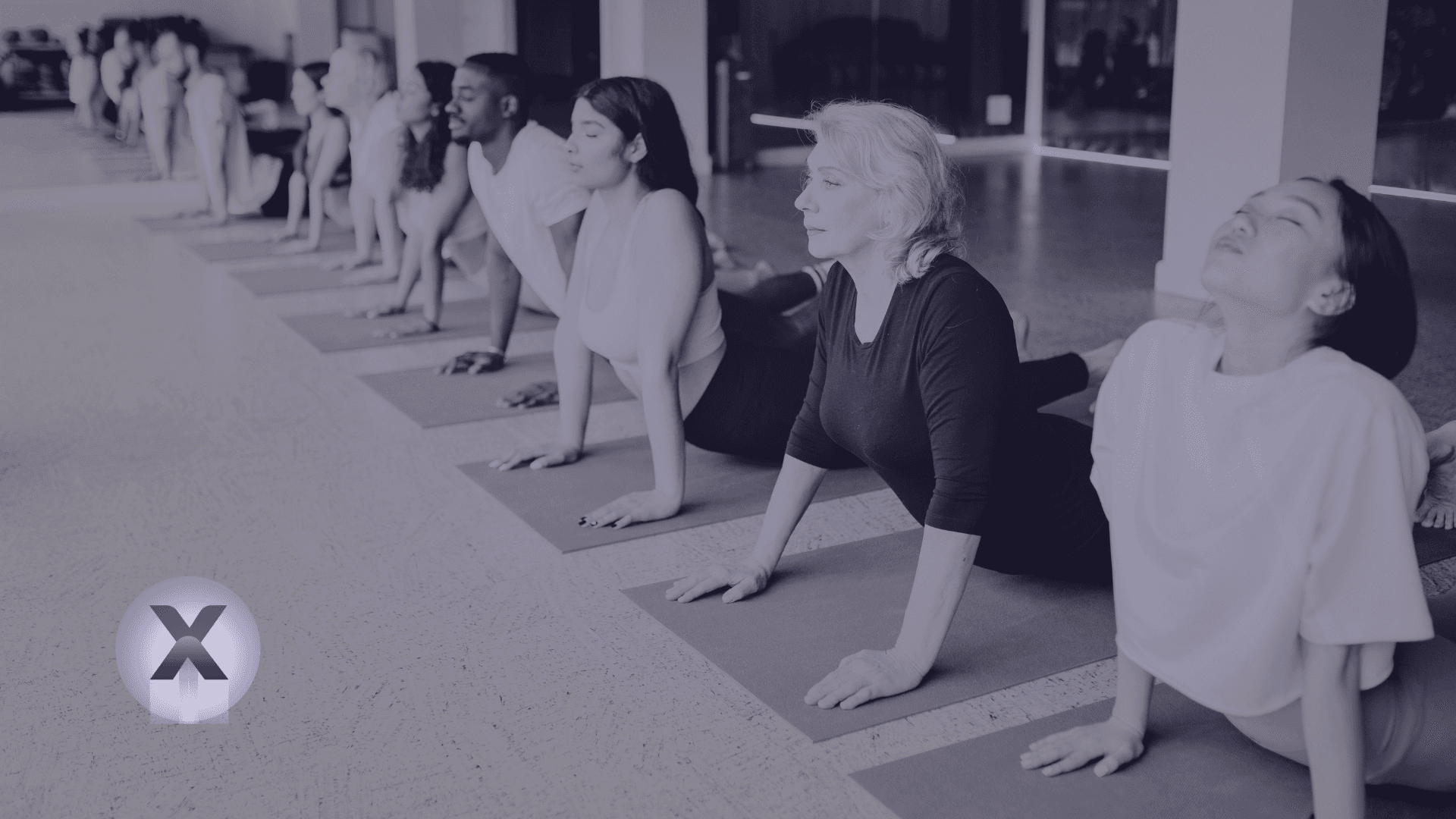

Illustrative scenario
A composite drawn from patterns we see repeatedly across multi-location yoga studios. It is not a specific customer, and the people and numbers in it are illustrative rather than measured results. It shows what retention intelligence looks like day to day: AI for member retention working on top of existing systems.
Before: retention that depends on one person remembering
Picture a yoga studio that has grown to two locations, one in Toronto and one in Montreal. In the early days the owner knew everyone. Names came naturally, and so did the details — who preferred morning flow, who was working through a shoulder injury, who had just come back after a pregnancy. That familiarity was part of what made the studio feel like a community.
But growth has a cost. More members. More classes. More moving parts. And slowly it becomes harder to keep up.
Small things start slipping. A name here. A milestone there. A member who hasn't been in for a while, but you can't quite place when you last saw them. It isn't a lack of care — it's scale. Some of that context lives in the CRM. The rest lives in someone's memory, or occasionally in a notebook. Notes can be added, but only through manual effort, and in a busy studio that effort isn't consistent.
So the drift shows up the only way it can: through absence. A member who used to come regularly stops showing up. Then another. No cancellation. No complaint. Just a gradual fade that nobody catches in time. Members don't leave loudly. They fade out quietly.
Retention isn't broken because the owner stopped caring. It's broken because the business can't see what's happening early enough, and can't act consistently at scale.
After: a system that pays attention
With NexScale Chloe™ connected, the shift doesn't come from adding another dashboard. It comes from finally having something that pays attention on your behalf.
Chloe connects to the studio's existing CRM and begins observing what nobody has time to track manually. Small signals surface:
A slight drop in attendance.
A member missing their usual class pattern.
Someone who hasn't visited in longer than expected.
What matters is that it doesn't just surface risk — it holds context. Alongside the members who are drifting, it flags the ones who are showing up consistently, making progress, building habits.
And it keeps track of the things raw data can never explain on its own:
A member who hasn't been in for two weeks — but is recovering from an injury noted earlier. No concern needed, just awareness.
Another who has paused attendance because they're travelling. Chloe flags a check-in for when they're back, not while they're away.
A member preparing to welcome a new baby — easy to forget in a busy week, and meaningful when it's acknowledged.
For the first time, the owner doesn't have to hold all of it. But the real difference isn't awareness. It's action. Instead of leaving the team to work out what to do, Chloe prepares the outreach.
A personalized check-in goes out through the member's preferred channel, in a tone the owner has approved for the studio. Not a generic campaign. Not a bulk send. A message that reflects that member's actual history and absence — personal enough that they notice.
That changes the dynamic. Members don't feel marketed to. They feel remembered.
The owner now starts the day differently: not trying to recall who might be missing, but opening a short brief that shows where attention is needed. A few signals, a few tasks, clear direction. The work doesn't disappear — the guesswork does.
Members still have busy lives. They still miss classes. That doesn't change. But fewer of them slip away unnoticed, and fewer disappear without a single touchpoint.
What changes
More members reached before they decide to leave. Early, personal outreach gives a drifting member a reason to come back before cancelling ever crosses their mind.
Loyal members feel recognized. Consistency, progress and personal milestones get acknowledged instead of passing unnoticed — which is what reinforces belonging.
Less silent churn across locations. Fewer members disengage without any touchpoint, including during the busiest weeks.
A more consistent member experience. Every interaction, from the owner or the front desk, is informed — rather than dependent on one person's memory.
See what this would look like on your own data
The fastest way to know whether this fits your studio is to look at your actual numbers — which members are drifting right now, and how early we would have caught them.
Get started with NexScale — 3-month introductory period, 100% satisfaction guarantee.